
If you’ve spent any time in the courtrooms with me on The Courtroom Files, you’ve seen the pattern. Defendant after defendant stands there explaining why their life was too hard, why circumstances made their choices inevitable, why the rules shouldn’t apply quite so strictly to them this time.
We all face tough breaks. Some people use them as an excuse. Others use them as fuel.
That’s why I’m writing about a race car driver.
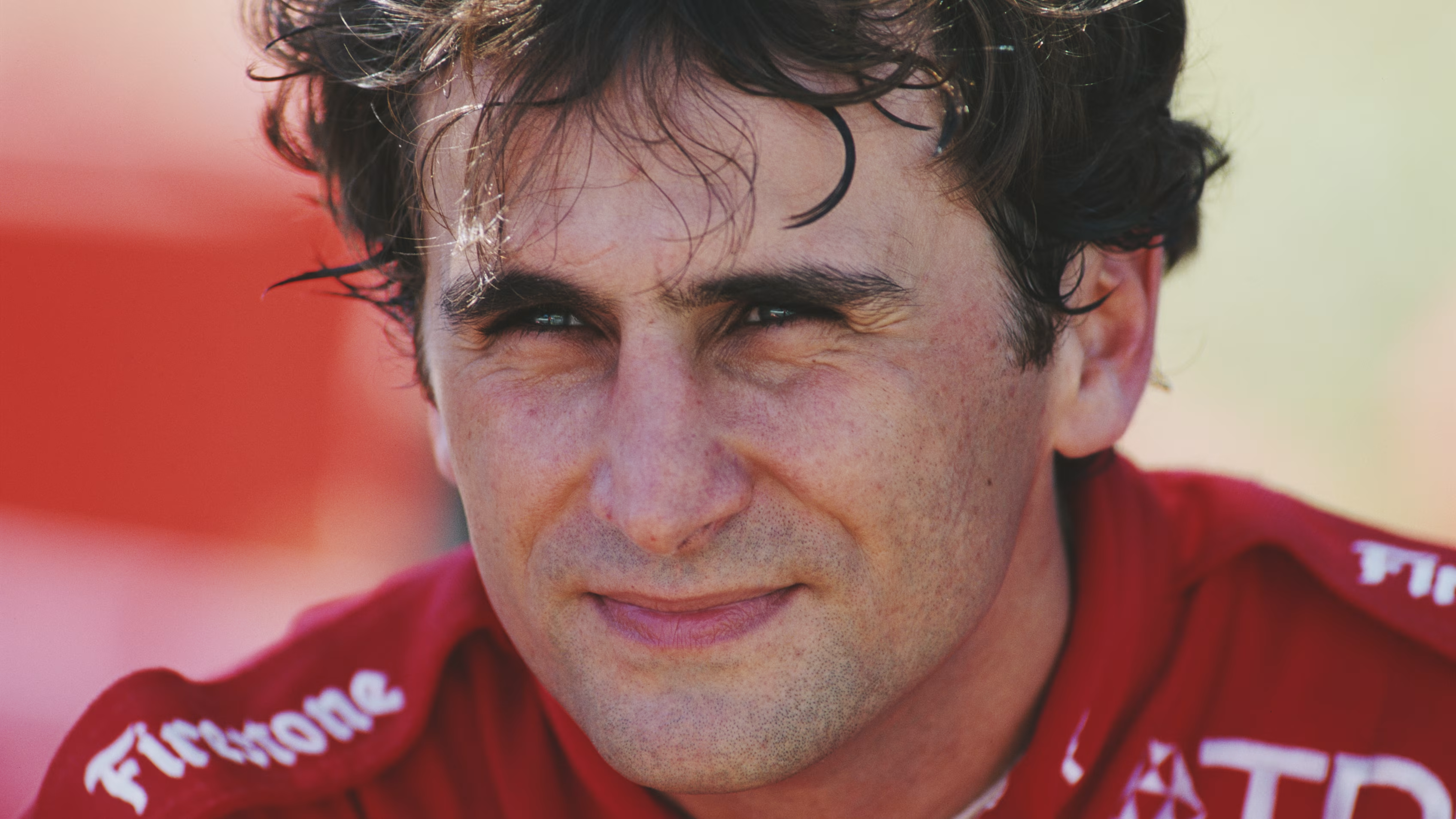
Courtesy: formula1.com
I’ve been a fan of open-wheel racing for a long time. I watched Alex Zanardi come into CART in the mid-90s with Chip Ganassi Racing. I saw him win races, dominate seasons, and do those trademark donuts after victories that earned him the nickname “Donut King.” I even saw him race in person once. He had real talent behind the wheel. But what made him different wasn’t just speed. It was the way he handled everything life threw at him.
Alessandro “Alex” Zanardi was born in 1966 in Bologna, Italy. He worked his way up from karting to Formula 3000, then into Formula 1. Success there was limited, but when he moved to American open-wheel racing in 1996, he exploded. Rookie of the Year in his first CART season. Champion in 1997. Champion again in 1998. He was the guy who could find a way to win when everything wasn’t perfect.
Then came September 15, 2001, at the Lausitzring in Germany.
After a pit stop, Zanardi spun and was hit broadside by another car at high speed. The impact tore off the nose of his car and severed both of his legs. He lost nearly three-quarters of his blood. His heart stopped multiple times. Doctors fought for hours to save him.
When he woke up, he looked at what remained and made a decision. He focused on the half that was left, not the half that was gone.
He got fitted with prosthetics. He designed his own racing legs with custom weight and stiffness. In 2003 he went back to the same Lausitzring track and drove an adapted car fast enough that he would have qualified fifth for the race that nearly killed him. He returned to competitive racing in touring cars, won races in the World Touring Car Championship, and kept competing at high levels into his 50s.
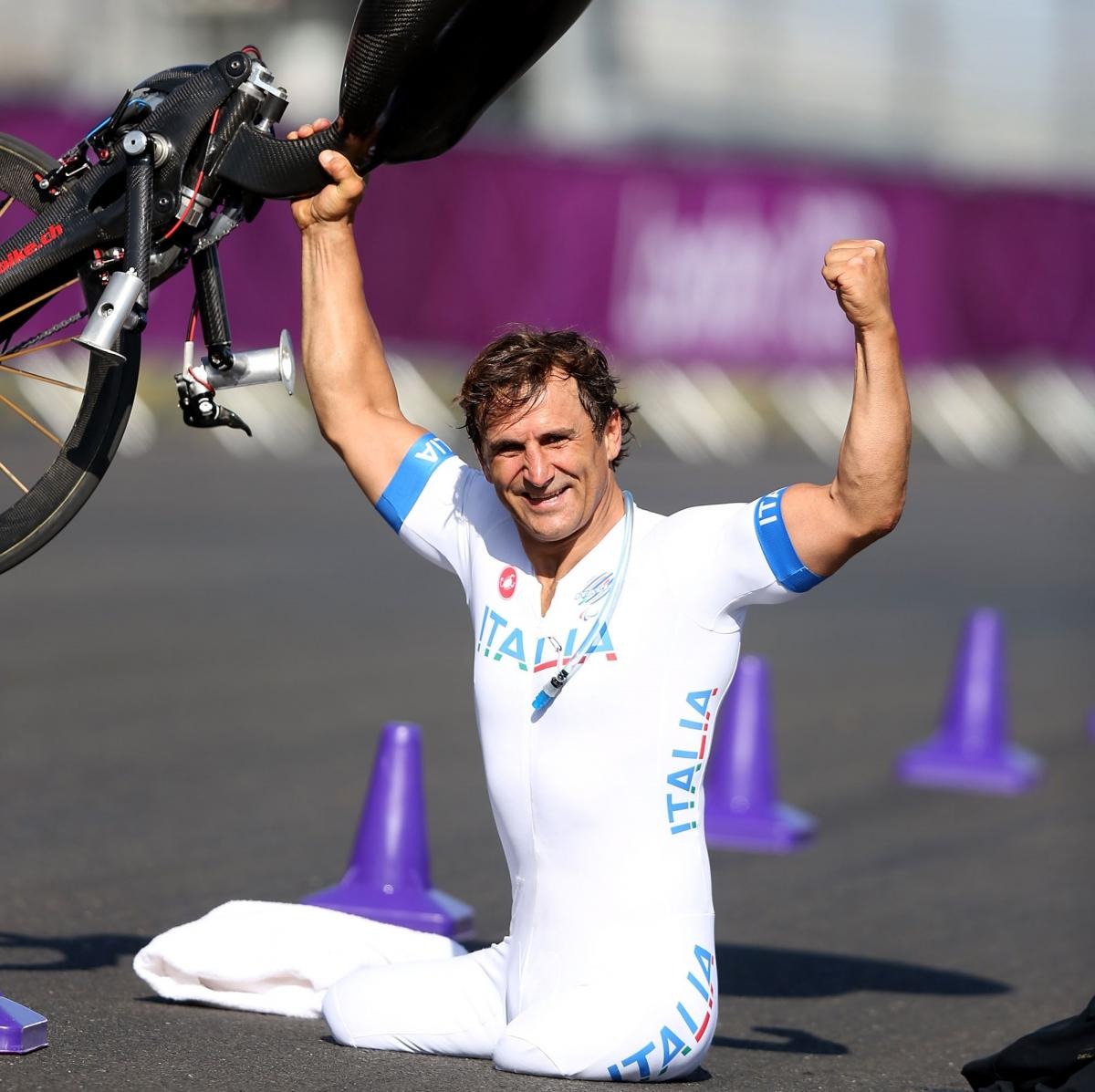
Courtesy: paralympic.org
Then came the second blow.
On June 19, 2020, during a handbike relay race in Italy, Zanardi crashed into a truck while descending a hill. He suffered severe head trauma. He was placed in an induced coma. Multiple surgeries followed. It took roughly 18 months of intense rehabilitation before he was able to go home in late 2021. He slowly regained speech, vision, hearing, and mobility.
On May 1, 2026 - just a week ago as I write this - Alex Zanardi passed away at his home in Padua at age 59. The family has not released an official cause, but given the timeline, it is widely understood to be connected to the long-term effects of that 2020 brain injury.
Here’s the part that matters.
Zanardi faced two catastrophic, life-altering events that most people would consider career-enders or even life-enders. He lost his legs. He suffered a traumatic brain injury. He could have spent the rest of his days explaining why the world owed him something, why racing had been taken from him unfairly, why it was all too much.
He didn’t.
He adapted. He competed again. He won four Paralympic gold medals in handcycling plus a dozen world titles. He kept showing up with the same joy and competitive fire that defined him before either accident. People who knew him described a man who refused to play the victim. He summed it up himself after losing his legs: he looked at what was left and got on with it.
That’s the contrast I keep coming back to.
In courtrooms we watch people hand their power away to circumstances, to trauma, to bad luck, to anything except their own choices. They want the system to absorb the consequences they created. Zanardi took the worst hands imaginable and still played them with dignity, courage, and results.
He didn’t need anyone’s permission to keep going. He didn’t wait for the world to make it fair. He decided what kind of man he was going to be after the worst day of his life, and then he did it again after the next worst day.
That’s not just inspiring. It’s instructive.
Life is going to hand out pain. Some of it will be unfair. The question isn’t whether you get hit. The question is what you do when you get up.
Alex Zanardi got up. Twice. He kept racing in whatever form was available. He kept winning. He kept living with joy instead of bitterness.
I’ll miss watching him compete. I’ll miss knowing he was out there somewhere still proving that circumstances don’t get the final word.
But the example he left behind is bigger than any trophy or gold medal.
The next time you see someone in a courtroom blaming everything and everyone except themselves, remember Alex Zanardi.
He lost more than most of us will ever face. And he still chose to rise.
That’s how it’s done.
Loading reactions...
No comments yet. You can start the discussion.